West Sikkim | Field Immersion | 4D3N Trek
The Flagship
Nov 22 - Dec 2, 2026
Dec 22 - Jan 1, 2027
“We don’t see things as they are;we see them as we are.”— Anaïs Nin
Community / place photograph
Hands-on journey photograph
Equal parts community immersion and time in the mountains. It was designed by looking at what tourists usually do in Sikkim and inviting people into life beyond the overcrowded tourist circuit.
Ease yourself into how life is lived in Yuksom. The days are unhurried, but your hands are busy and your heart is full. Churn butter, forage in the forest, learn the art of bamboo weaving.
Let your curiosities guide the way you interact with the land, the people, and yourself.
Meet the community who fought against a commercial company from exploiting the land.
Yuksom / community photograph
Where you’ll be
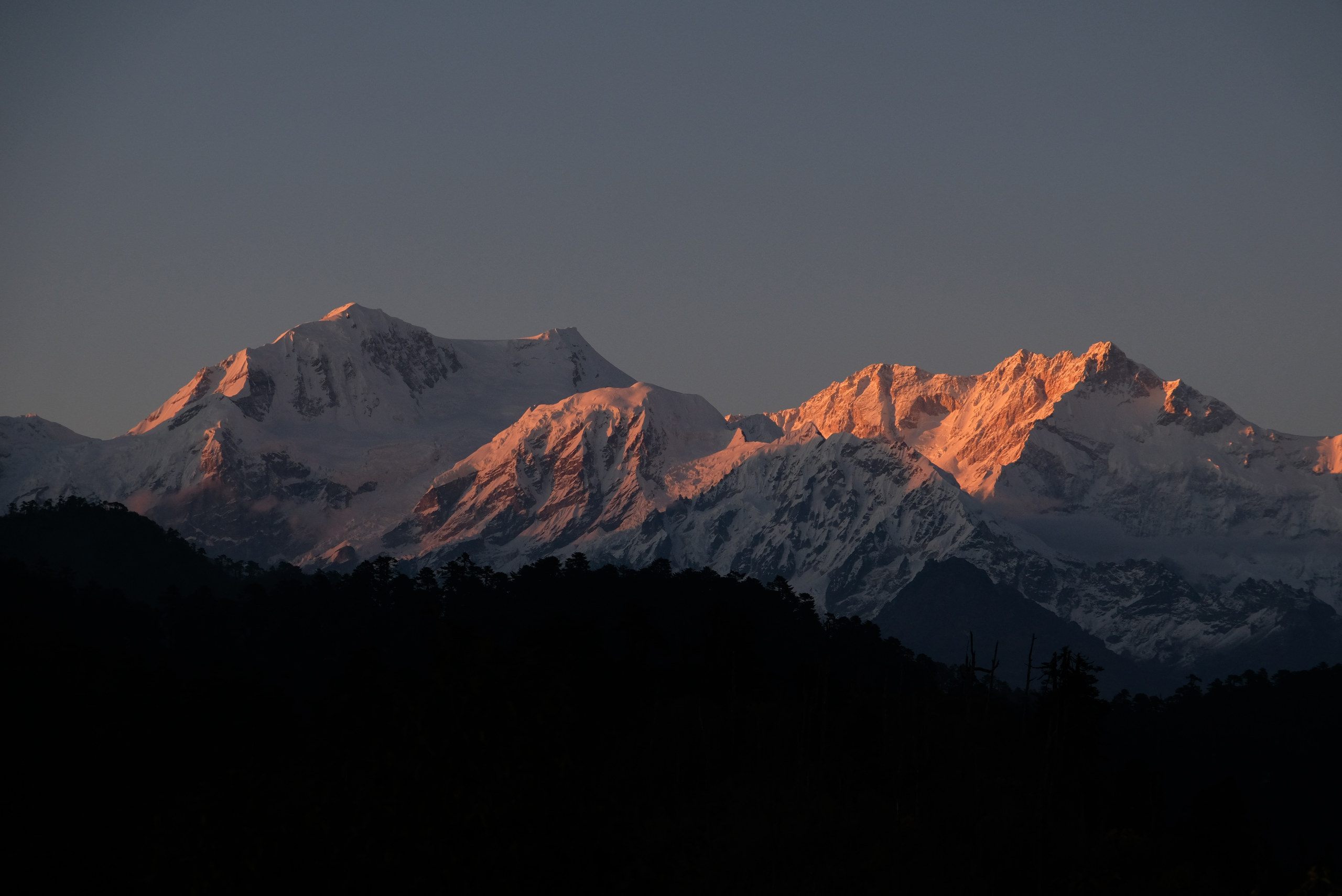
Yuksom, West Sikkim. Gateway to the Khangchendzonga mountain range. Home to a community whose values have been shaped by the mountains they call home.
Learn from the farmers, craftspeople, neighbours, aunties and uncles you will meet during the journey.
Hold space for yourself
Reflection sharpens your awareness of your inner world. Don’t underestimate the power of collective energy that comes from being in a supportive environment (even for just 11 days).
Allow yourself to be seen. Be heard.
Reflection will be an ongoing part of your journey. There will be intentional time+space for you to notice what is happening around you and what is happening within you.
Reflection / quiet moment photograph
What your days may look like
Knowing our roots
Everything is related
Soil biome is gut biome
Wildcard / Free & easy day
Start of trek
Summit day
Rest day
Descend day
Nature therapy
Not Goodbye
The equivalent of ‘goodbye’ in Nepali is pheri bhetum — may we meet again.
Where you will stay
Ejam Residency portrait photograph
Ejam Residency is a three-storey home in Yuksom. The Ejam family lives on the second floor.
You’ll know why I insist on putting Feels Like Om guests here.
There are private bathrooms, hot showers, laundry (and WIFI) — but past guests speak much more fondly of conversations shared with the family in the kitchen, mornings on the lawn, afternoons in the library.
One guest’s favourite morning ritual: taking huge mouthfuls of fresh air from the balcony.
Ejam Residency photograph
Room / kitchen / lawn photograph
Balcony / garden photograph
Shared spaces photograph
Food photograph
Food photograph
Nourish your gut, nourish your soul
Breakfast is a grand affair.
Buckwheat pancakes one morning, alu puri the next. The spread changes daily. There is always fresh fruit, hot tea and coffee.
Dinner is omakase. Food you can't find in restaurants.
Cowrie. Hand-rolled gnochhi-like dumplings in hot, savoury soup.
Iskus ko munta. The first shoots of the chayote — a plant that keeps giving.
Nettle soup. Fiddlehead ferns. Edible flowers.
Into the mountains
Duration
4 days trek
3 nights camping
Distance
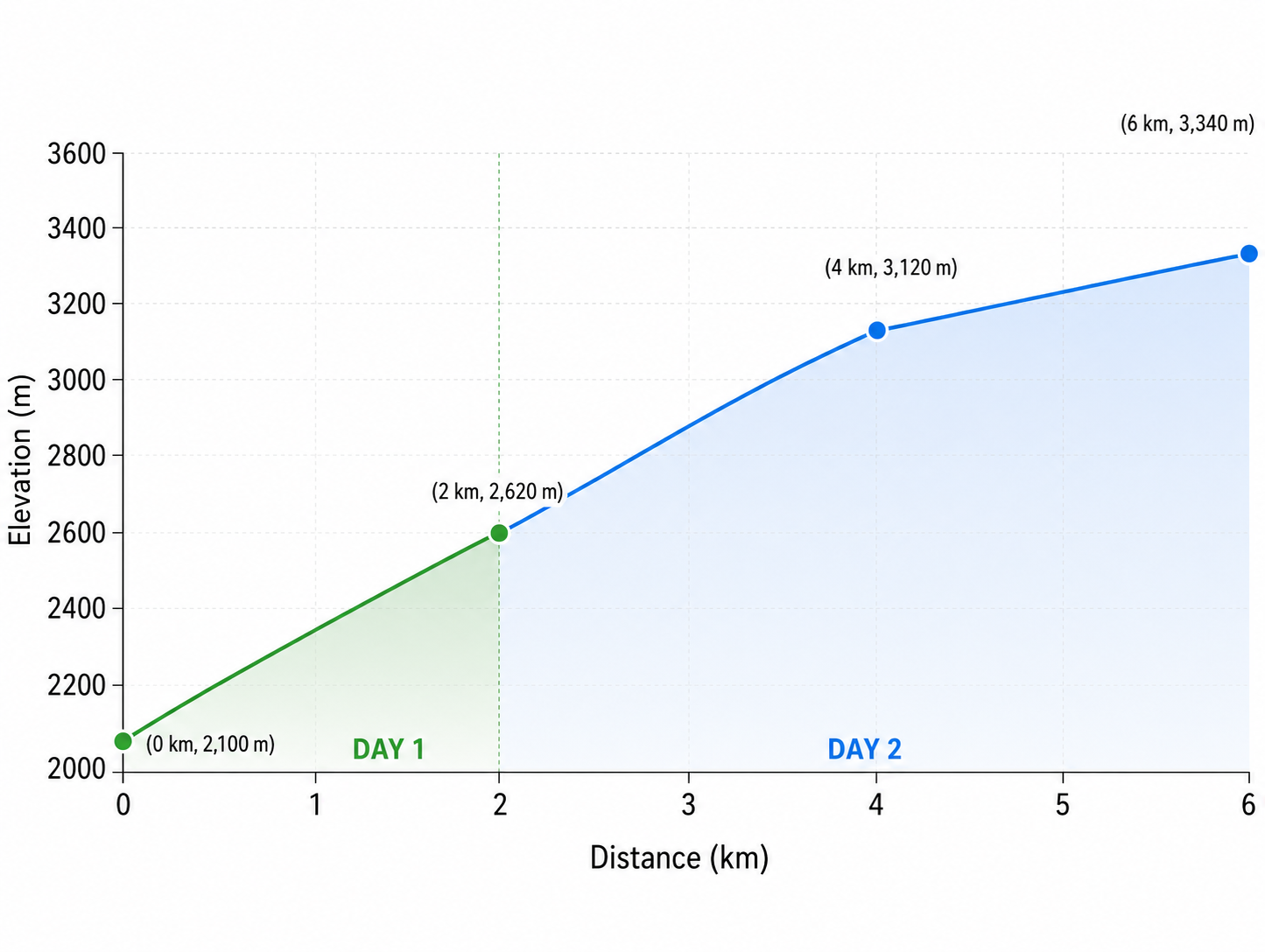
~6 km one way
Elevation gain
~1,300 m over two days
Highest point
3,340 m
This is a quiet trail, and we hope to keep it this way.
Trek photograph
Trek photograph
Trek photograph
Trek photograph
Trek photograph
A two-day climb, moving slowly through forest, bamboo and rhododendron before reaching the higher, more open landscape.
The trek covers approximately 6 km one way, with around 1,300 m of elevation gain spread across two days. The first two sections are steeper, while the final stretch eases slightly as you approach the top.
This is not a technical trek, but it is physically demanding. Expect several hours of uphill walking each day, uneven forest trails, roots, mud and occasional rocky sections. Conditions can become slippery after rain. Generally, most people consider this a moderate to challenging trek.
The terrain consists of forested mountain trail, with earth, roots, bamboo, rhododendron and steeper uphill sections. The trail becomes more open as you gain elevation.
Trek photograph
Trek photograph
Trek photograph
Trek photograph
This trek may be for you if
You are comfortable walking uphill for several hours, enjoy being outdoors in changing weather, and do not mind uneven or muddy trails. You do not need technical climbing experience, but a reasonable level of fitness and willingness to move slowly and steadily are important.
The pace is intentionally unhurried. There will be space to stop, rest and take in the landscape rather than treating the trail as something to conquer.
Reflections from past participants
Read more reflections →Frequently asked questions
Who is this journey for?
- You are curious about the world
- You want to do more than sightseeing
- You learn by doing, experiencing, and reflecting
- You want to experience culture as a participant rather than a spectator
Do I need to be an experienced trekker?
Prior hiking experience will help, but it isn’t strictly necessary. We take short breaks and move at a pace the group can sustain. A reasonable level of fitness and stamina is required. Technical climbing skills are not required, but good balance — especially while descending rocky terrain — is helpful.
How comfortable is camping?
Your well-being is very important to us. We provide A-frame tents, four-inch mattresses, down sleeping bags, camping pillows, fleece blankets, hot water bags, a dining tent with tables and chairs, a toilet tent with a commode, and multi-course meals three times a day.
What do I need to carry during the trek?
You only need to carry a light daypack with your water bottle, snacks, and an extra layer. The dzos carry the rest, which is why we ask you to pack only what you genuinely need.
How does altitude acclimatisation work?
For first-timers to mountainous areas, it is normal to get breathless more quickly than usual when walking uphill or climbing stairs. The few days we spend in Yuksom before the trek should give your body enough time to gradually adjust before we start the trek.
How big is the group?
The Flagship is designed for a small group of 2–6 people. We keep the group intentionally small so there is space for connection, reflection and meaningful time with the community.
How do I get to Sikkim?
The nearest airport is Bagdogra Airport in West Bengal.
From there, the drive to the village takes approximately six hours. We can help coordinate your transfer so you don’t have to arrange the journey on your own.
Before booking your flights, please speak with us.
We'll share recommended arrival and departure times so that your airport transfer and the drive can be planned comfortably.
Do I need a visa or permit?
Depending on your nationality, you may need an Indian visa as well as the relevant permits to enter Sikkim.
We will guide you through the process before your trip.